

Data API
Wallet API with 2-Days to Support New ProtocolBalances, DeFi positions, PnL, accounting data, and transaction history for 8K+ protocols across 35 EVM chains and Solana





What Can You Build?
Any Crypto Finance Product in Days, Not Months
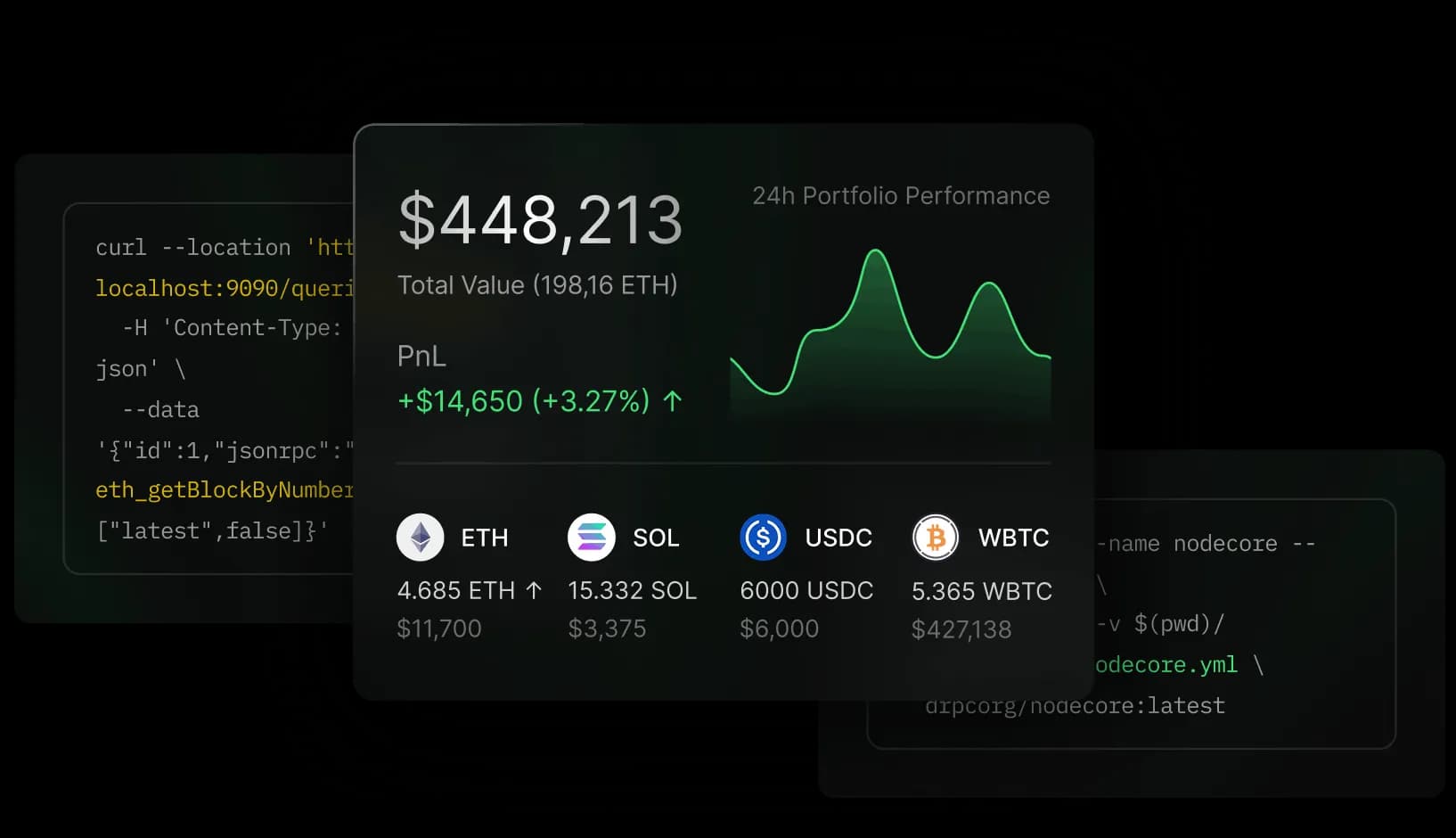
Wallet & Portfolio AppsReal-time balances and prices across 35+ EVMs & Solana in a single call
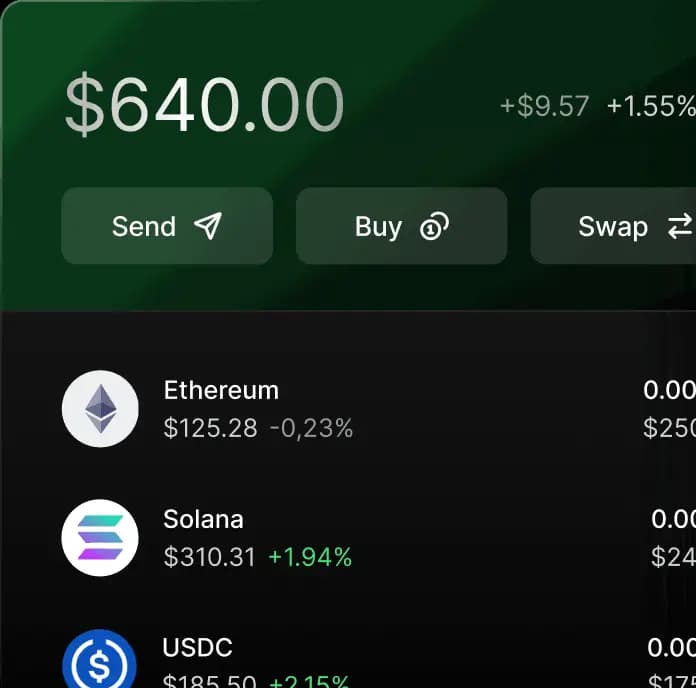
DeFi PnL DashboardsPosition-level data for 8K+ protocols — including supply, LP, staking, and historical PnL
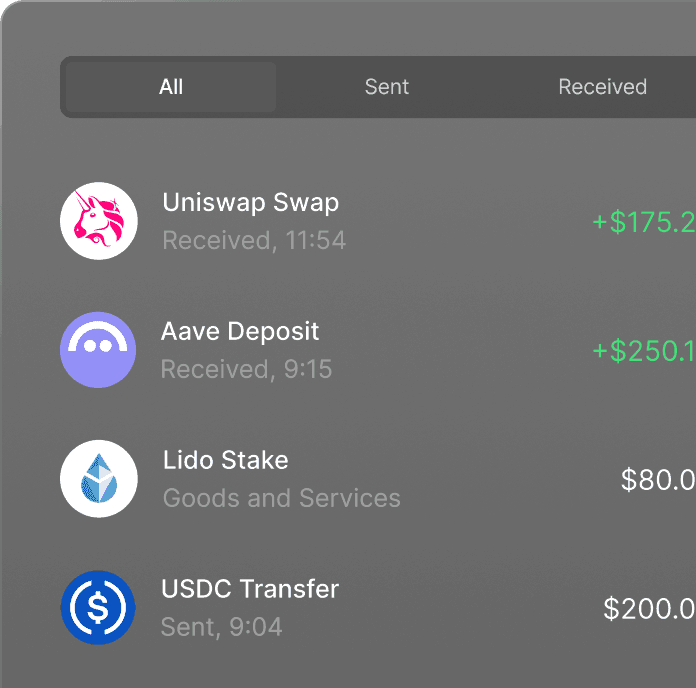
Transaction HistoryDecoded and labeled transactions in a single API call across 35+ EVMs
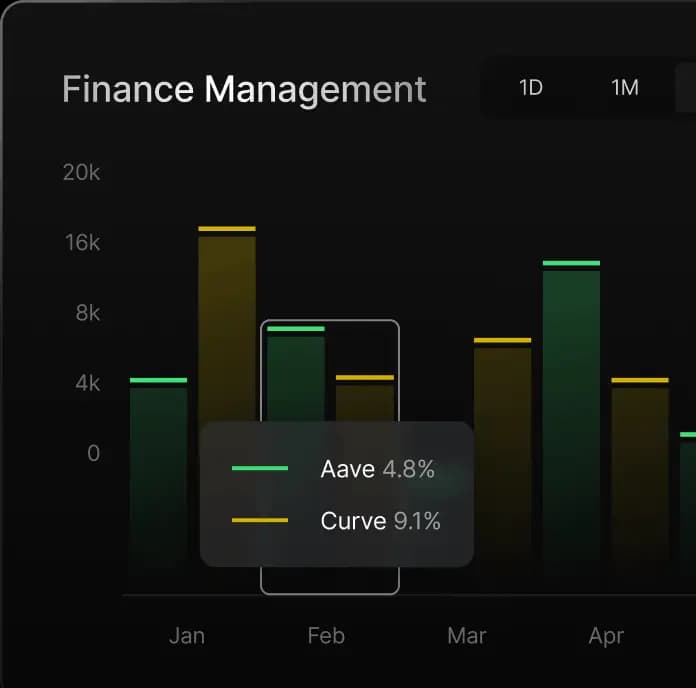
Trading & AnalyticsReal-time DeFi insights, including APRs, for optimized portfolio rebalancing strategies
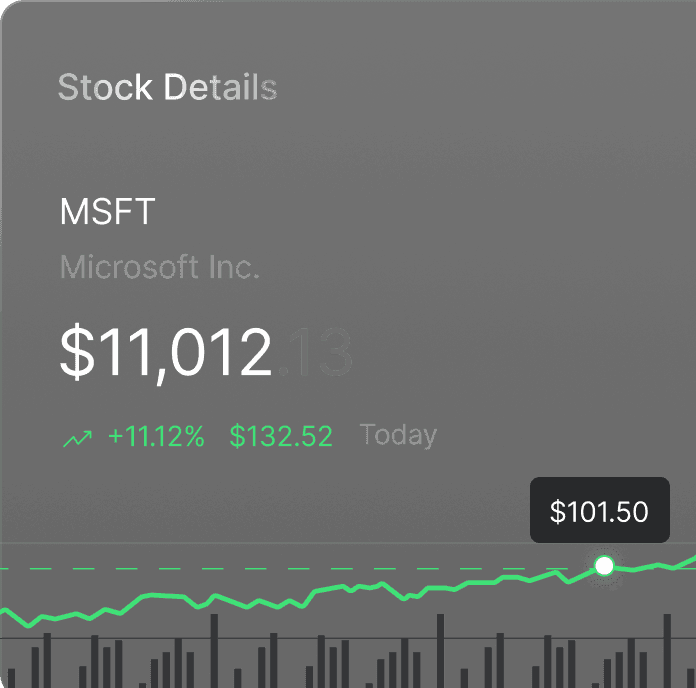
Tax & AccountingComprehensive data, including PnL, cost basis, and reward breakdowns
Why Different?
Coverage That Keeps Up with DeFi
2 DaysTo add support for a new DeFi protocol. Submit a request. We handle the rest.
5 DaysTo add a new EVM chain. Your integration code stays untouched.
8K+
DeFi ProtocolsOne API. One integration. Access to the entire DeFi universe — without maintaining indexers for each protocol yourself.
2 YearsOf data infrastructure work, already done for you. Indexing, normalization, PnL logic. Skip the build, use the API.
Automatic DetectionNew pools and protocol deployments are detected automatically. Your app stays current. No action needed.
Why Different?
Data Quality You Can Trust
Accurate Real-Time DataGetting balances is easy. Getting correct, consistent, up-to-date data is the hard part. Here's how we solved it.
The Cache Staleness Problem
Some providers cache DeFi positions on a timer. That means your Aave position can show as open 7 days after you closed it. Users see wrong portfolio values. Tax reports break. Rebalancing logic fires incorrectly. This isn't a minor bug. It destroys user trust.Transaction-Triggered CacheCache updates on every on-chain transaction, not on a timer.
Your users always see their actual positions.
Consistent Price SourcesPrice sources are cross-checked continuously.
Discrepancies are caught before reaching your users.
Constant Data MonitoringAutomated checks run continuously on data freshness, consistency, and source health. All monitored 24/7 without manual intervention.
Why Different?
Reliability. We Put Money on It
Our SLA commitments aren't just a marketing claim. We offer financial compensation if we miss them. Because we're confident in what we've built.
99.9%
Uptime SLAFor production workloads
Paid Back
Financial CompensationWe refund if we miss the SLA. No fine print
24/7
Dedicated ManagerEnterprise tier — real human support
Pay for What You Use
No monthly limits, overage fees, or expiration on requestsPAYG
From $10Start building with no commitments
Requests IncludedBased on your top-up
Rate LimitUp to 50 RPS
Discount—
SupportStandard
Start Building
Enterprise
Custom PricingFor high-volume workloads
Requests IncludedCustom
Rate LimitUnlimited
DiscountVolume based
SupportDedicated Manager, 24/7 SLA
FAQs
Data API Package
Frequently Asked Questions — Data API Package
Wallet & Portfolio Data